
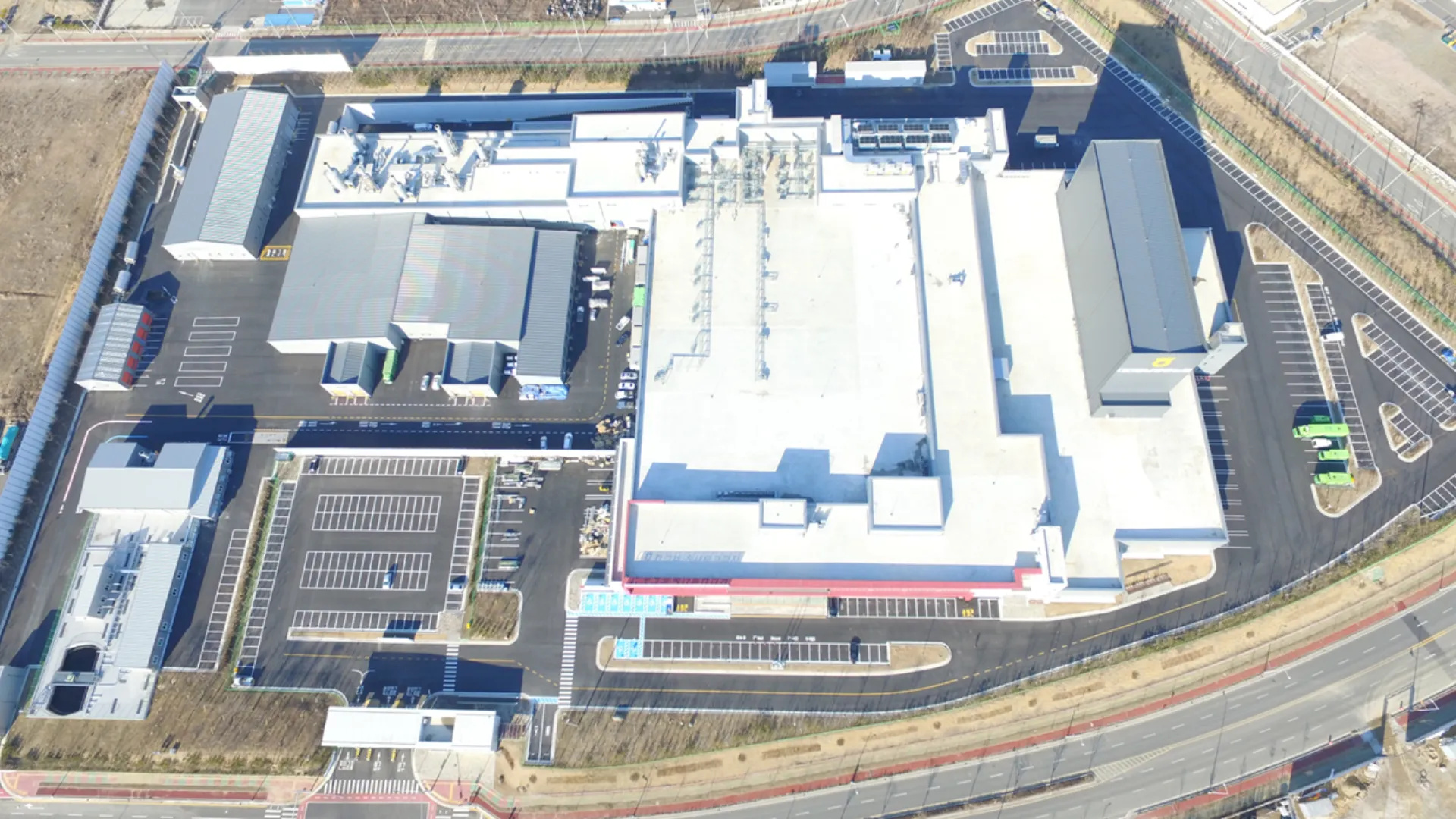
EPC TURNKEY
Turnkey Food Processing Line Design and Delivery
Plant owners and developers selecting an EPC partner for a complete food processing line need engineering depth, procurement reach, and a proven record of on-spec delivery. INTERCOOL provides end-to-end design, specification and project management for food processing plants worldwide.
What a turnkey food processing project involves
A turnkey food processing line engagement typically begins well before a shovel breaks ground. The client needs master plan approval, tender design, equipment specification and contractor selection before EPC contract award. Each of these stages carries its own technical and commercial risk — and decisions made early define the capital cost envelope for everything that follows.
INTERCOOL's work spans the full chain: from initial master planning and process layout through tender documentation, equipment procurement specification, project management and commissioning support. Our engineers work independently — not tied to a single equipment manufacturer — so the process design drives the specification, not the other way around.
Definition
- Turnkey (EPC) food processing line
A turnkey food processing line is a complete plant delivered under a single point of responsibility — Engineering, Procurement and Construction (EPC) — from master plan and process design through equipment specification, construction and commissioning, handed over ready to operate. INTERCOOL also offers an alternative route: design and engineering to competitive tendering, for clients who want maximum procurement transparency.
Why independent, process-led engineering matters
INTERCOOL is vendor-neutral with no in-house manufacturing, so the process design — not a single supplier's catalogue — drives the equipment specification. That independence keeps the competition for supply genuinely open and lets the best-fit solution be chosen on merit rather than on who makes the equipment.
Process-led engineering also protects the economics. INTERCOOL's turnkey approach is built around four value drivers: preserving raw-material quality (animal handling, slaughter optimisation, carcass chilling efficiency), eliminating process deviations, matching raw material to finished product, and intelligent production control. The leverage is real: a one-percentage-point improvement in yield is worth roughly a 12.5% reduction in labour cost.
The EPC project flow, stage by stage
INTERCOOL can join at any stage, but the full turnkey route follows a clear sequence — each stage de-risking the next.
Master planning
Establish the design basis: capital investment, footprint, water and energy demand, environmental impact, manning and logistics. This is where the capital cost envelope is set.
Tender & detailed design
Process descriptions, equipment specifications and layout drawings — the technical package used to procure and compare contractors.
Procurement
Vendor qualification and best-fit, best-value equipment selection, managed on the client's behalf and independent of any single manufacturer.
Construction
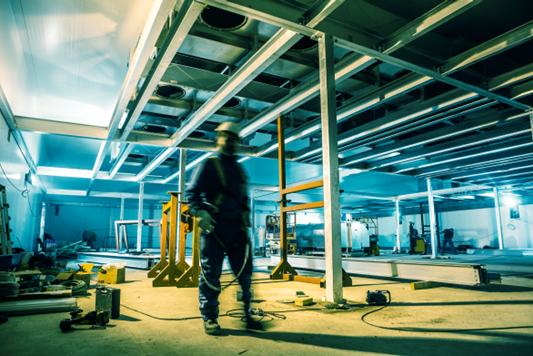
Build and installation supervised against the specified design, so the plant that is built matches the plant that was engineered.
Commissioning & operation
Verify the plant performs to specification, then support start-up and the handover to production.
Full EPC or design-to-tender: which delivery route fits your project?
INTERCOOL offers two ways to engage, and the right one depends on how you want to carry procurement risk and transparency.
Full EPC puts engineering, procurement and construction under a single point of responsibility. One partner owns the technical outcome from master plan to commissioning, which simplifies accountability and keeps the process design driving every downstream decision. It suits owners who want the plant handed over ready to operate, with clear ownership of the result.
Design and engineering to competitive tendering keeps procurement in the client's hands. INTERCOOL prepares the full technical package — process descriptions, equipment specifications and layout drawings — and the client tenders it to contractors of their choice. Because the specification is written vendor-neutral, the competition for supply stays genuinely open and every bid is compared on the same engineered basis. It suits owners who want maximum procurement transparency, or who are bound by development-finance tendering requirements.
Either route, the process design comes first: the specification is set by what the plant must achieve, not by a supplier's catalogue.
Plant types delivered
| Red meat slaughterhouses | Cattle, pig and sheep lines from lairage through chilling |
|---|---|
| Poultry processing plants | Broiler slaughter, evisceration, chilling and packing |
| Carcass chilling installations | Air-based quick-chill (E-QCT), conventional chilling and blast chilling |
| Cold stores and refrigeration | Chill and frozen stores for meat and food products |
| Rendering and by-products plants | Wet and dry rendering, blood processing |
| Effluent treatment plants | Wastewater treatment for meat processing facilities |
Scope of services
Master planning
Site layout, throughput modelling, utility requirements and phasing strategy — before capital commitment is locked in.
Tender design
Full technical tender packages including process descriptions, equipment specifications and layout drawings for EPC contractor selection.
Project management
Procurement oversight, vendor qualification, site supervision and commissioning support from design award through handover.
INTERCOOL by the numbers
200+
completed projects worldwide
68+ years
of Danish food-plant engineering
Founded 1958
12.5%
labour-cost reduction from a 1-point yield improvement
Frequently asked questions
What does INTERCOOL's turnkey scope cover?
INTERCOOL can deliver any stage from master planning and process design through full tender package preparation, project management and commissioning support. The scope is defined per project — some clients engage us from concept, others at the tender stage.
Is INTERCOOL tied to specific equipment manufacturers?
No. INTERCOOL works vendor-neutral: we specify equipment on technical and economic merit, then manage the procurement process on the client's behalf. This keeps the process design independent and the competition for supply genuinely open.
Do you manage food processing projects outside Europe?
Yes. INTERCOOL has delivered projects across Asia, Africa, the Middle East and the Americas. International project delivery — including coordinating with local contractors, regulators and development finance requirements — is standard practice.
What engineering work is needed before an EPC contract is awarded?
Typically: master planning (site, throughput, utilities, regulatory requirements), followed by a tender design package — technical specifications, layout drawings, process descriptions — used to select and compare EPC contractors. INTERCOOL prepares these stages independently of the construction contract.
How early should we involve an independent engineer in a new plant project?
The earlier the better. Decisions in the master planning phase — site footprint, utilities, throughput, phasing, regulatory approach — define the capital cost envelope. Engaging an independent engineer before those decisions are fixed avoids expensive revisions downstream.