
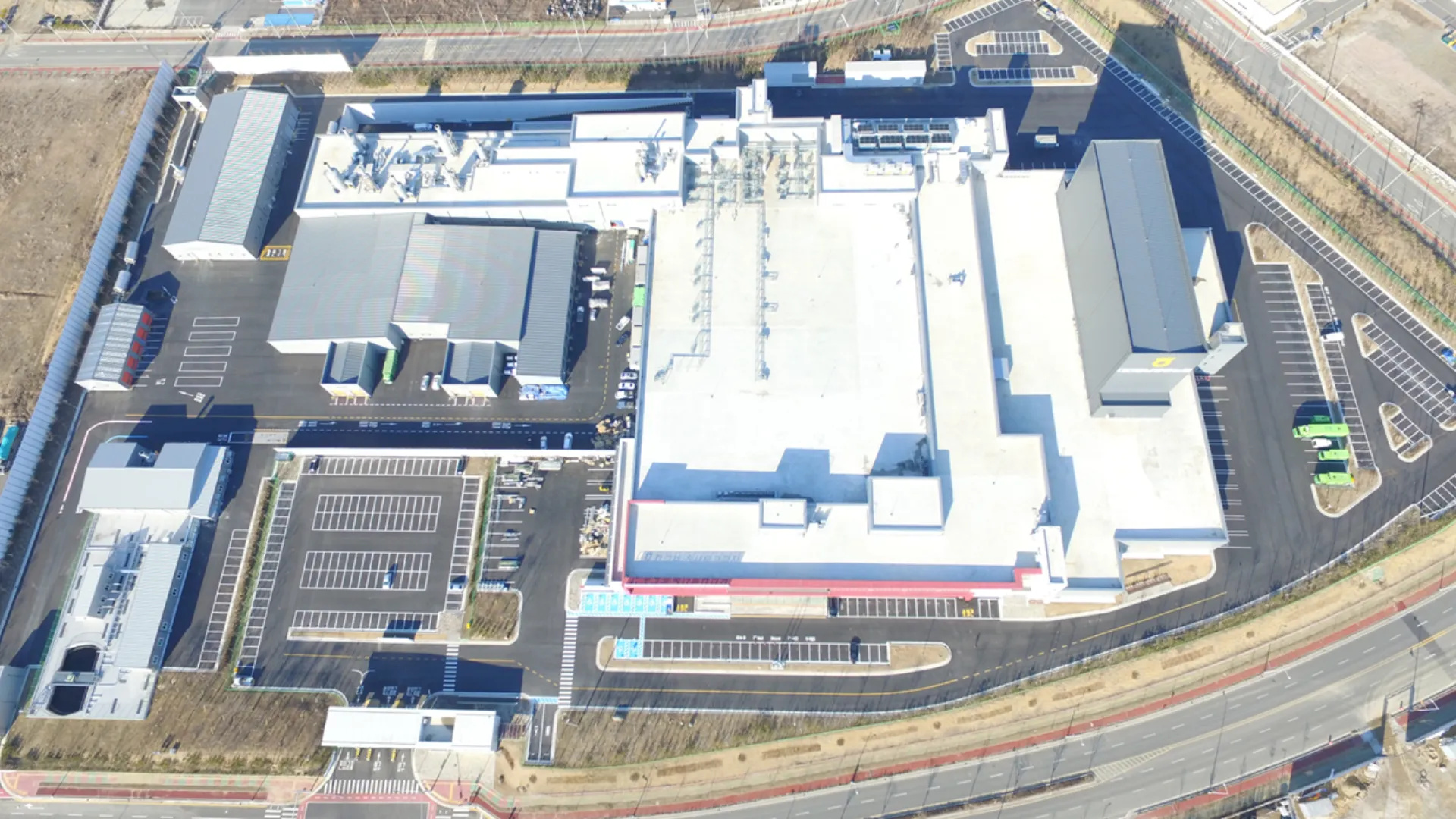
Master Planning & Feasibility
Master Planning for Meat and Food Processing Plants
Before a single line is drawn, a master plan decides whether a new or expanded plant will be profitable. INTERCOOL turns your business plan into an actionable, vendor-neutral master plan — facility flow, CAPEX and OPEX, SWOT and timeline — engineered around your cost per kilogram, not around equipment anyone needs to sell.
What is master planning for a meat plant?
Master planning is the engineering and feasibility stage that translates a business plan into an actionable roadmap for building or expanding a meat or food processing plant. It defines what the facility must do, how material will flow through it, what it will cost to build and to run, and over what timeline it will be delivered.
It sits upstream of detailed design. Where design fixes the layout and specifications of each area, the master plan first establishes the design basis — capacity, footprint, utilities, environmental scope, logistics and budget — so that every later decision is measured against a single, agreed economic target. Getting this stage right is what gives owners the clarity, consistency and confidence to commit capital.
Definition
- Master plan
A master plan for a processing facility is the document that turns a business plan into an actionable roadmap — covering facility layouts and flow diagrams, CAPEX and OPEX budgets, a SWOT analysis and a project timeline. It establishes the design basis for the whole plant and steers every decision toward the lowest viable cost per kilogram of product.
Why a master plan matters before you design or build
The decisions taken at master-planning stage are the cheapest to change and the most expensive to get wrong. Capacity, process flow, utility demand and phasing are all settled here; once construction starts, they harden into cost and constraint for the life of the plant.
A good master plan keeps one number in view throughout — the cost per kilogram or unit produced. Every factor that influences it, from yield and by-product utilisation to energy and logistics, is weighed before money is committed. The plan also becomes the common reference that aligns investors, authorities, lenders and the project team around the same scope, budget and timeline, which is often the difference between a project that proceeds and one that stalls.
How a master plan is developed
Master planning moves from the business case to a costed, phased roadmap ready for detailed design.
Define the business basis
Capture the products, capacity, markets and investment intent from the business plan, and translate them into a design basis: throughput, footprint, utility demand and environmental scope.
Map the facility flow
Lay out the full process flow — reception, processing, chilling and freezing, buffering, cutting, deboning, packaging and dispatch, plus effluent treatment and rendering — as integrated layouts and flow diagrams.
Cost, analyse and stress-test
Build CAPEX and OPEX budgets with local-sourcing and cost-saving options, run a SWOT analysis, and design in flexibility so the plant can scale and adapt to future products and volumes.
Deliver the roadmap
Consolidate layouts, budgets, utility specifications, construction principles and a project timeline into a single master plan — the actionable basis for investor decisions and detailed design.
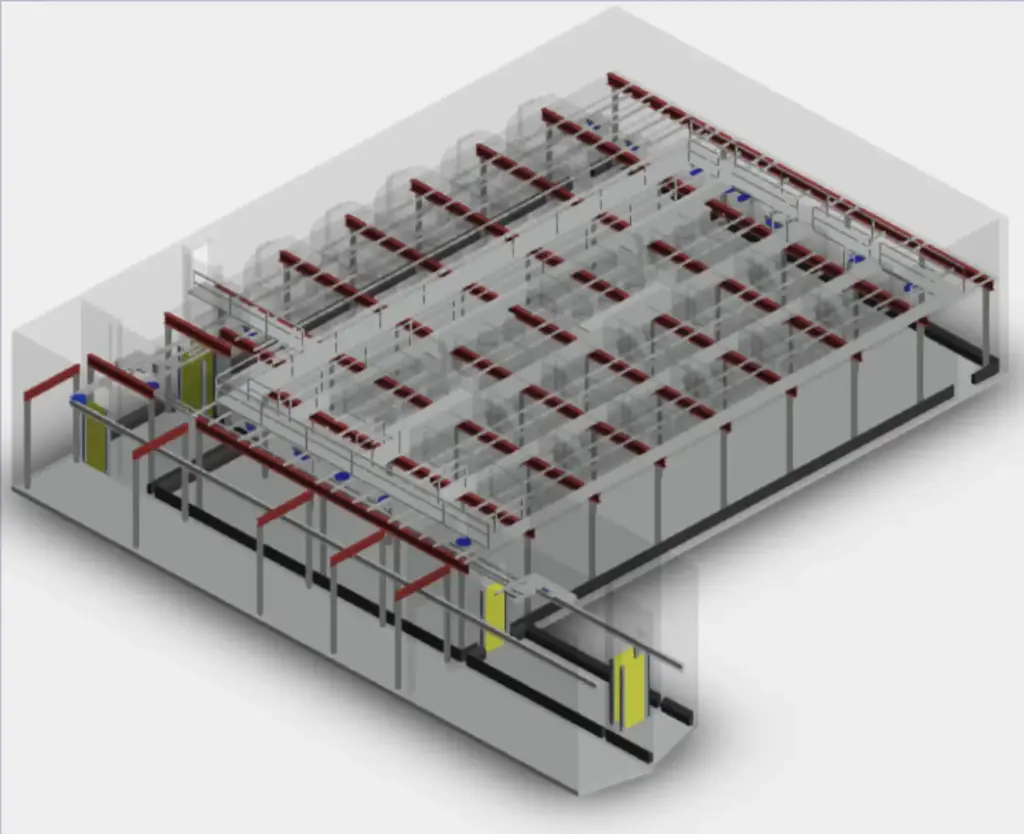
What a master plan delivers
| Facility layouts | Integrated plant layouts and process flow diagrams across the full production chain |
|---|---|
| CAPEX budget | Capital budget with local-sourcing and cost-saving options identified |
| OPEX budget | Operating-cost projection covering labour, energy, water and services |
| SWOT analysis | Strengths, weaknesses, opportunities and threats of the proposed scheme |
| Project timeline | Phased schedule from planning through design, construction and commissioning |
| Product & process specs | Product range and the process requirements needed to produce it |
| Utility & construction basis | Utility system specifications and construction principles for the facility |
| Flexibility & future-proofing | Capacity for future product and volume changes designed in from the start |
| Sustainability scope | Waste handling, water reuse and biogas opportunities integrated into the plan |
What INTERCOOL delivers in a master plan
Feasibility & design basis
Business plan translated into a costed design basis — capacity, footprint, utilities, logistics and environmental scope.
Vendor-neutral options
Best-fit solutions recommended on merit; INTERCOOL has no in-house manufacturing and no proprietary range to favour.
CAPEX & OPEX modelling
Capital and operating budgets with cost-saving and local-sourcing options, steered to the lowest viable cost per kilogram.
Flow & layout planning
Integrated layouts and flow diagrams across reception, processing, chilling, packaging, dispatch, effluent and rendering.
Risk & phasing
SWOT analysis, flexibility for future change, and a phased timeline that aligns investors, authorities and the project team.
Sustainability built in
Waste handling, water reuse and biogas considered from the outset rather than bolted on later.
Planning grounded in delivered experience
68+
years of engineering experience
A Danish food-technology engineering company founded in 1958
200+
completed projects worldwide
Master planning, design and delivery of meat and food processing facilities
12.5%
labour-cost reduction per 1%-point yield gain
Why decisions taken at planning stage govern operating economics for the plant's life
Master planning — frequently asked questions
What is the difference between a master plan and plant design?
A master plan is the upstream feasibility and roadmap stage: it sets capacity, flow, budgets, SWOT and timeline, and establishes the design basis. Plant design then fixes the detailed layout and specifications of each area. The master plan decides what to build and why; design decides exactly how.
What does a master plan actually contain?
Typical deliverables are integrated facility layouts and flow diagrams, CAPEX and OPEX budgets, a SWOT analysis, a project timeline, product and process specifications, utility system specifications, construction principles, and sustainability scope such as waste handling, water reuse and biogas.
How does master planning reduce cost per kilogram?
By weighing every factor that influences cost per kilogram — yield, by-product utilisation, energy, logistics and labour — before capital is committed, the plan avoids locking in inefficiency. Because the decisions are cheapest to change at this stage, optimising them here protects margin for the plant's whole life.
Why does vendor neutrality matter at planning stage?
INTERCOOL has no in-house manufacturing and no proprietary equipment range, so the master plan recommends best-fit, best-value solutions rather than steering the budget toward a supplier's catalogue. That keeps the feasibility case objective and the later procurement competitive.
Does a master plan cover sustainability and effluent?
Yes. The flow mapped in a master plan spans the full chain including effluent treatment and rendering, and sustainability services such as waste handling, water reuse and biogas are integrated from the outset rather than added later.